Today, supermarkets in China are filled with imported sweets, colourful packaging and viral snacks promoted on social media. But before convenience stores and modern snack brands became part of everyday life, children had a different way of enjoying treats.
They listened for vendors calling out in the streets, gathered around carts to watch sweets being made by hand, and waited for freshly roasted snacks on cold winter days. Many of these foods were simple, inexpensive and closely connected to childhood memories.
Some traditional snacks are now harder to find as street vending changes, production methods become modernized, and fewer young people learn the skills needed to make them. Here are 5 old-fashioned Chinese treats that offer a glimpse into a different era of everyday life.
1. Popcorn Made in a Pressure Cooker
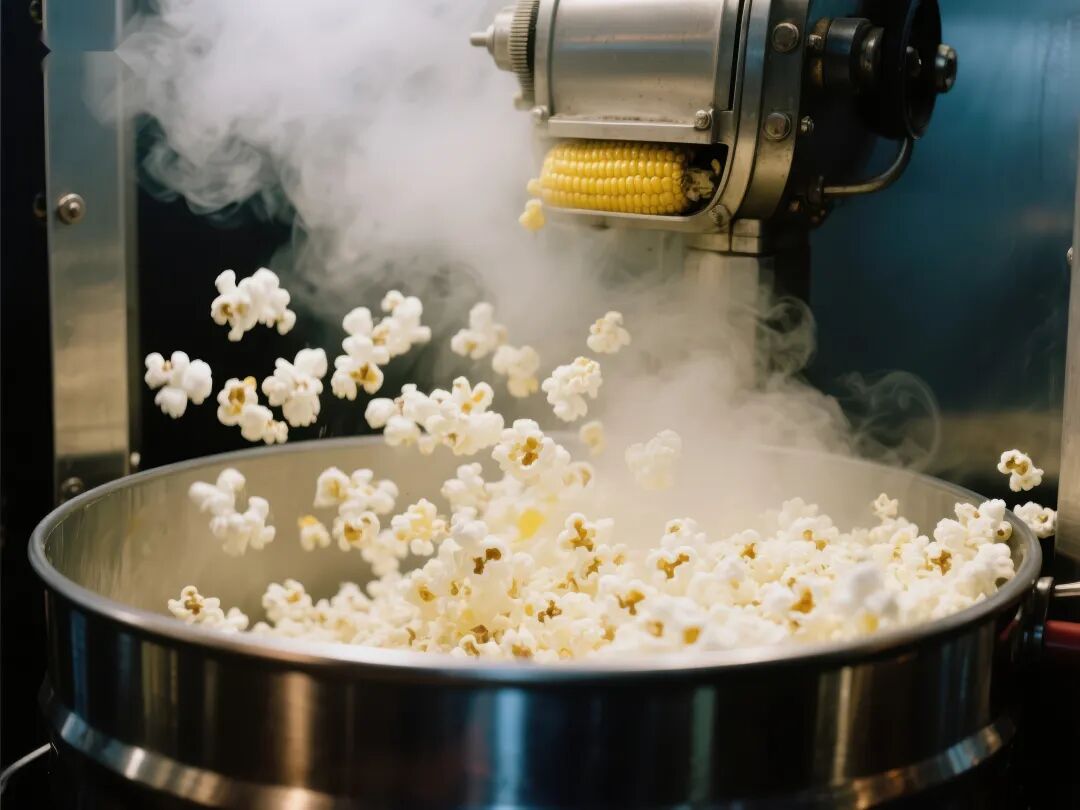
Before microwave popcorn and cinema buckets became commonplace, some Chinese street vendors made popcorn using a traditional metal pressure cooker. The device was heated and rotated until the pressure built up. The vendor would then release it with a loud bang, sending freshly expanded corn into a waiting container.
The sudden explosion often attracted a crowd of curious children. Unlike many modern varieties coated in butter or caramel, this popcorn was usually simple, with a toasted corn flavour.
These traditional machines have become less common partly because of safety concerns involving their pressurized mechanisms and older equipment.
2. Roasted Sweet Potatoes From a Metal Barrel
On a cold winter day, few street snacks were more inviting than a freshly roasted sweet potato. Traditionally, some vendors cooked them in large metal barrel-shaped ovens heated with coal.
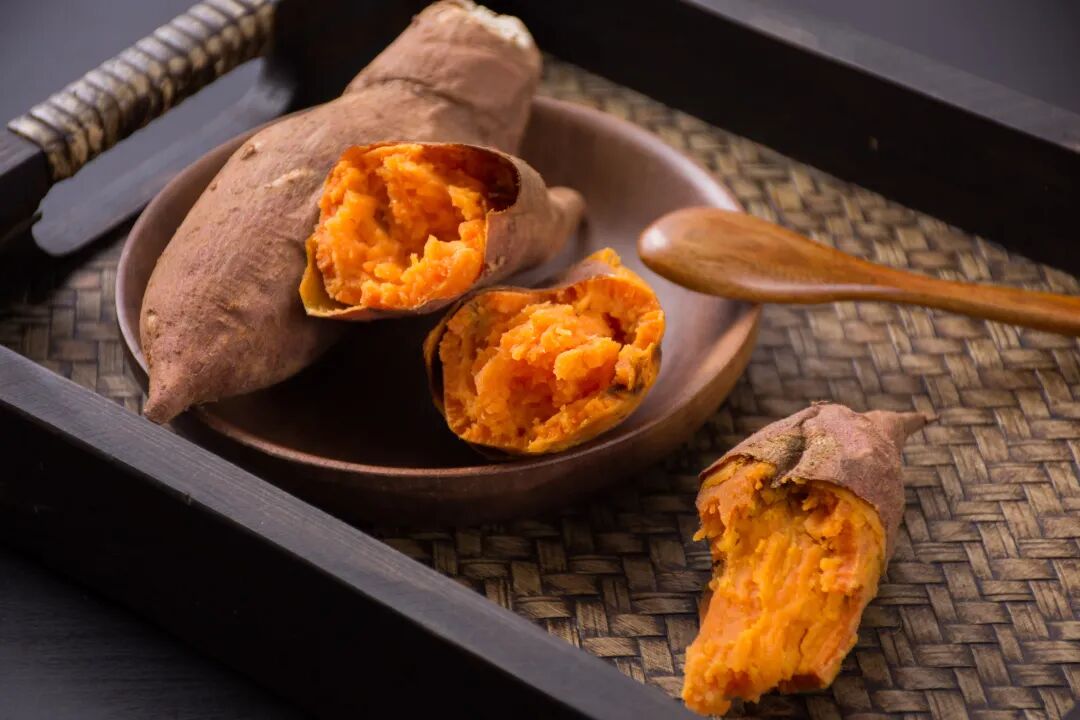
The skins became dark and slightly charred, while the insides turned soft, sweet and golden. The potatoes were often so hot that customers had to pass them between their hands before taking a bite.
As cities have introduced stricter environmental rules on coal burning, these traditional ovens have become less common. Modern roasted sweet potatoes remain available, but the old street-side setup is increasingly associated with memories of winters past.
3. Giant Traditional Fried Dough Twists
Mahua is a Chinese snack made by twisting strands of dough together before frying them. It comes in many sizes, but older street stalls sometimes sold especially large versions, golden and covered with sesame seeds.
Freshly fried, the outside was crisp while the inside remained softer and bread-like. The combination of toasted dough and oil gave it a rich aroma.
Packaged mahua is still sold in supermarkets, but freshly made versions can be harder to find in some places. Preparing large batches takes time and oil, while changing eating habits may make such rich snacks less appealing to some consumers.
4. Tangren: Edible Art Made From Sugar
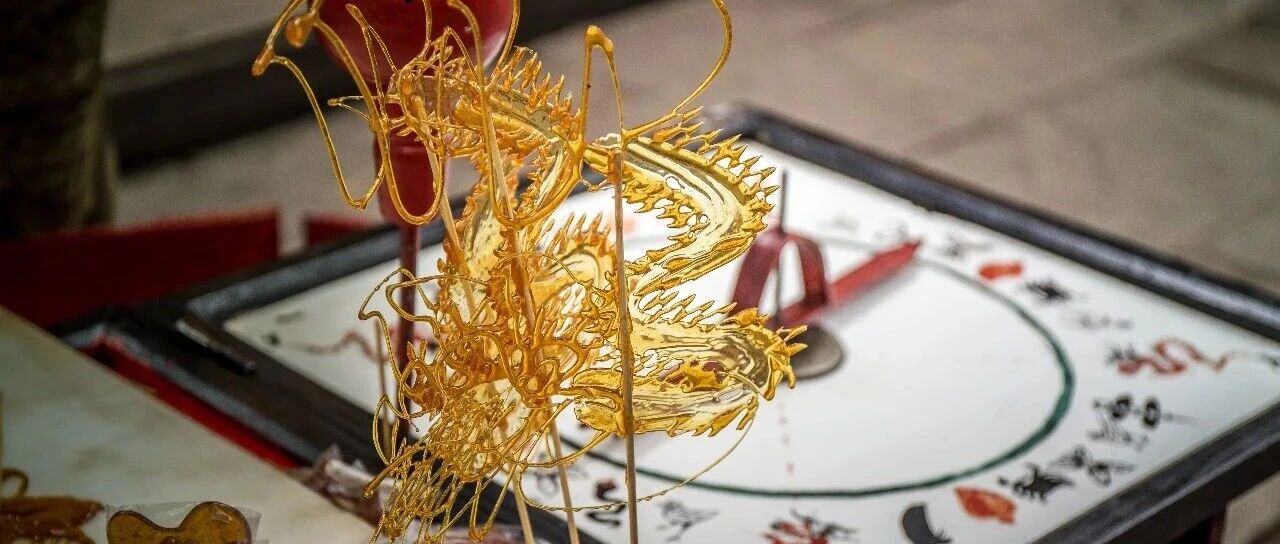
At traditional markets and temple fairs, visitors may encounter tangren, or sugar figures. A vendor heats sugar syrup and pours it onto a smooth surface, using quick, precise movements to create shapes such as dragons, butterflies, birds and other animals.
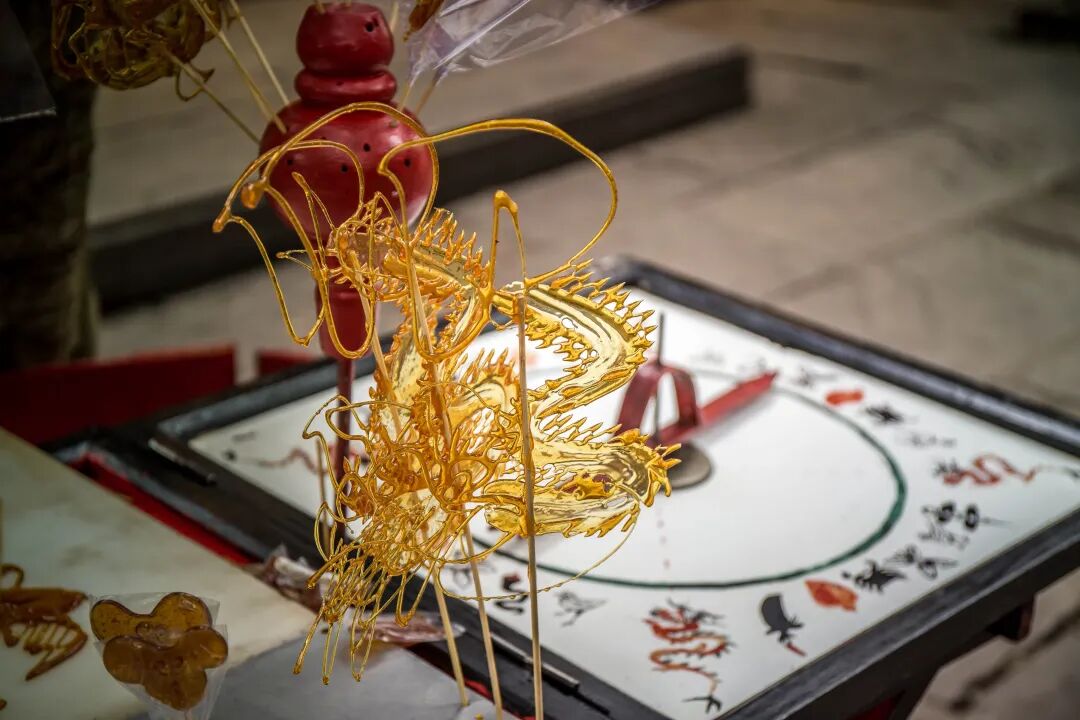
Some vendors also let customers spin a wheel to determine which figure they receive, adding an element of chance to the purchase.
The finished figure is both a snack and a tiny work of art. Children often enjoy looking at it before eventually licking or biting into the sweet creation.
The craft requires practice and speed because the syrup cools and hardens quickly. While sugar figures can still be found at some fairs and tourist attractions, handmade examples may be less common than moulded versions.
5. Hand-Stretched Malt Sugar
Another traditional sweet turns candy-making into a game. Vendors place a lump of warm malt sugar between two bamboo sticks, allowing children to pull and twist it repeatedly. As the sugar is stretched and worked, air becomes incorporated into it, changing its colour from amber to a much lighter, creamy shade. The texture also changes, becoming chewier and less sticky.
Unlike a packaged sweet that can simply be opened and eaten, this treat involves time, movement and participation. Temperature makes the process difficult: the sugar can become too hard in cold weather or too soft in the heat.
More Than Just Snacks
These five treats tell a story about how food traditions change alongside urban life. Some have become less visible because of safety or environmental concerns; others face competition from mass-produced snacks or depend on skills that take time to learn.
Their disappearance is not necessarily complete. Traditional snacks can still appear at local markets, festivals and tourist sites, and some makers continue to preserve these crafts.
For international visitors, trying one of these treats can offer more than a new flavour. It can be a way to discover the sounds, skills and everyday traditions that shaped childhood for generations of Chinese people.


